
The tone of the instrument changes from day to day
What is necessary to play a stable and good tone?
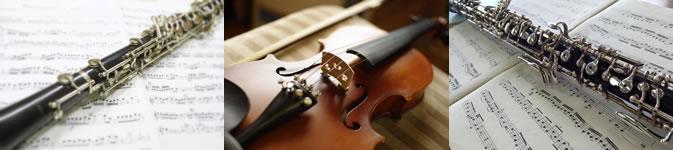
Case Profile
- organization
- Symphony Orchestra
- position
- performer
background
Mr. A, an oboe player, regularly appears in concerts, but the tone of the instrument (reed) varies depending on the day, with dull key movements and wet and dry tones. In order to keep the instrument and reeds in the best condition, even if we spend a lot of time adjusting the key movements and reeds, we may not be able to produce a tone that satisfies us.
Problems and challenges
The condition of the instrument (reed) varies greatly from day to day.
Ms. A noticed that the movement of the oboe keys was bothersome during the rainy season or when it was raining, and that there were many damp-sounding notes.
Conversely, when there was a prolonged period of clear winter weather, I noticed a strange feeling in the keys and a dry, brittle texture due to the reeds drying out.
I want to be able to play with a beautiful tone at all times, without wasting unnecessary time on adjustments.
On days like that, Ms. A needs to adjust the movement of the oboe keys, adjust the reed, or even change the reed, until she gets the tone she wants.
On the other hand, on good days, you can play with a nice tone right away without much effort.
Person A confided this to Person C, a clarinetist in the same orchestra.
"With this continuous rain, the sound is damp, and I can't produce the tone I want..."
Person A cherishes their musical instrument.
I informed clarinetist C that after each performance, I made sure to wipe away any water droplets with a swab and cleaning feather.
Then, Ms. C said, "I think it's due to the humidity. Just wiping it with a cloth doesn't seem to be enough to protect it."